Artificial intelligence is already shaping many aspects of daily life, giving us everything from personalized playlists and medical scans to homework helpers. But as these tools grow smarter and more accessible, the world is asking a big question: How do we use AI responsibly? AI ethics provides the framework for addressing that question, emphasizing fairness, safety, transparency, and respect for human rights while enabling society to navigate and benefit from this rapidly advancing technology.
The Importance of AI Ethics
AI systems can make decisions at speeds and scales no group of humans can match. That power brings tremendous opportunities, but it also creates risks if the technology is built or used carelessly. AI ethics help individuals and organizations understand these risks and make thoughtful choices about how AI is designed and deployed.
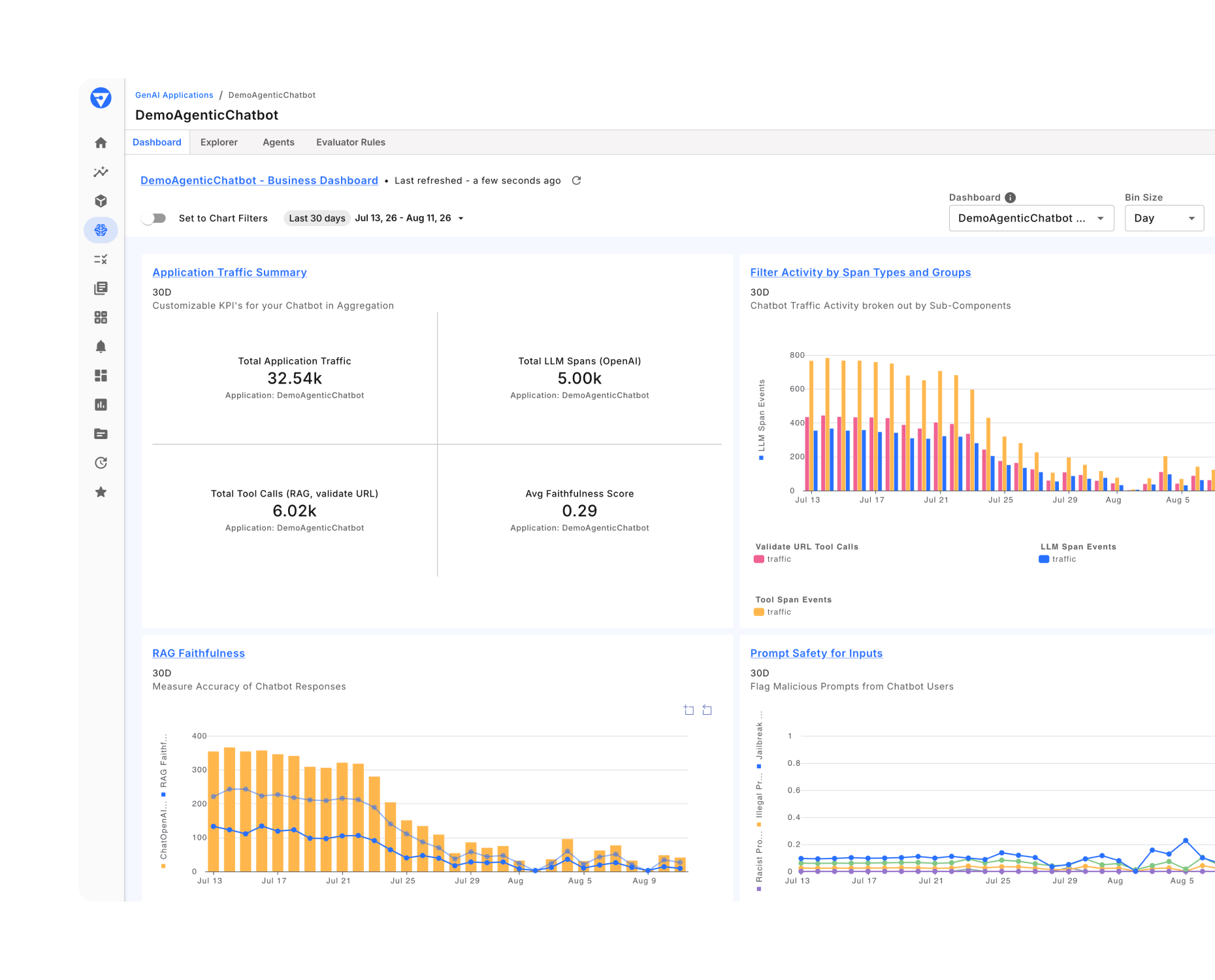
One major reason AI ethics matters is the potential dangers of inaccuracy. AI systems learn from data, and poor-quality data can lead to poor-quality predictions or decisions. Without careful oversight, an AI model meant to help could unintentionally cause harm.
Ethics also play a major role in public trust. People are more likely to accept and use AI tools when they believe those tools are fair, safe, and respectful of their privacy. As AI-powered systems become part of everything from transportation to entertainment, establishing strong ethical standards creates a foundation for confidence and accountability.
The broader topic of AI ethics also includes helping leaders and communities explore the social and environmental impacts of this technology. Large data centers require substantial amounts of power and water, and the use of automated systems can shift job markets. Ethical awareness encourages innovators to consider these broader consequences as they work toward responsible progress.
Ethical Challenges in AI
AI Data and Privacy
AI systems rely on enormous amounts of data, which can include sensitive information such as personal details, medical records, or private conversations. AI tools must be designed so that sensitive information isn't exposed through unexpected outputs or cyberattacks. Developers also need clear guidelines about what data can be used, how long it can be stored, and how users can control their own information.
Possible Bias in AI
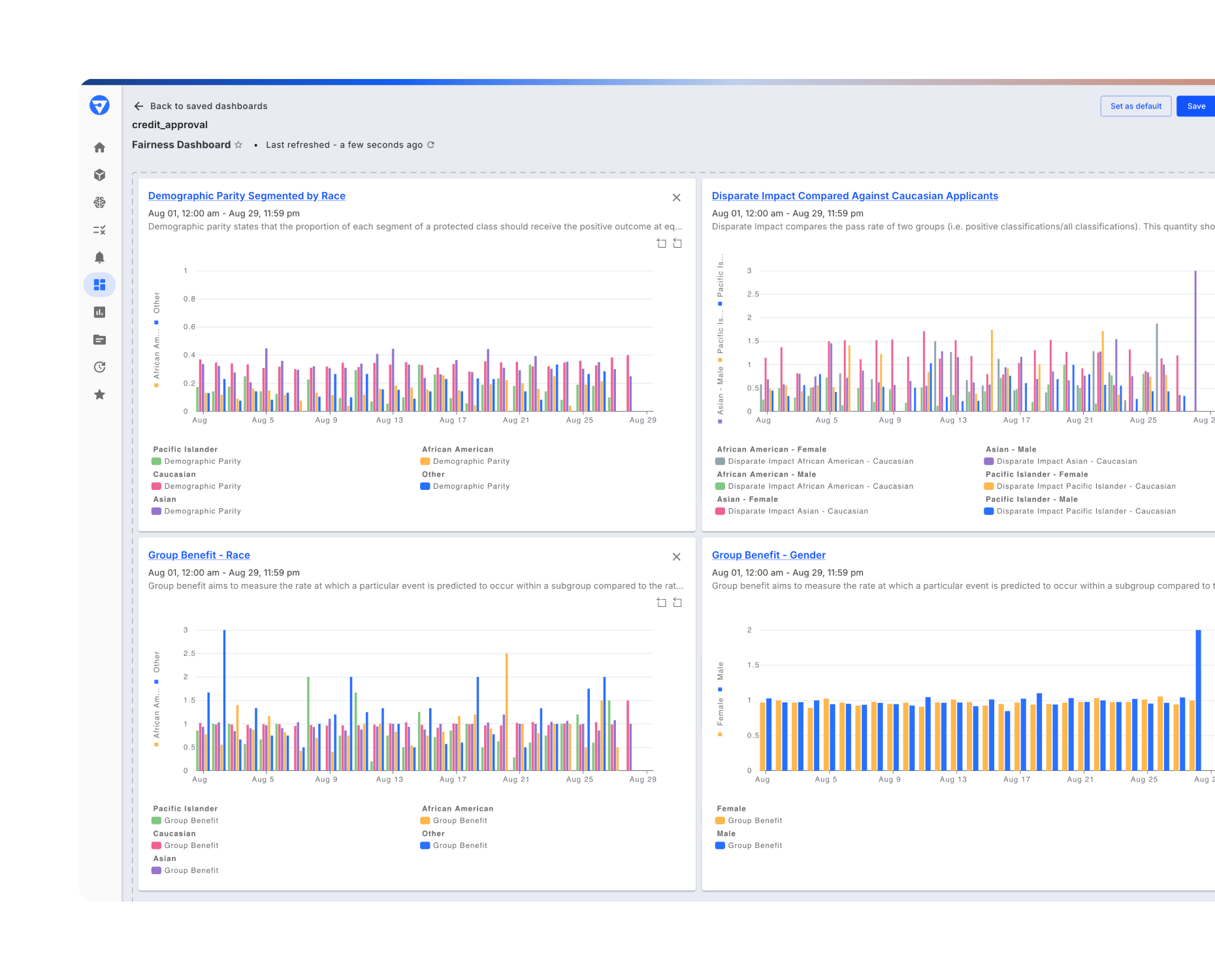
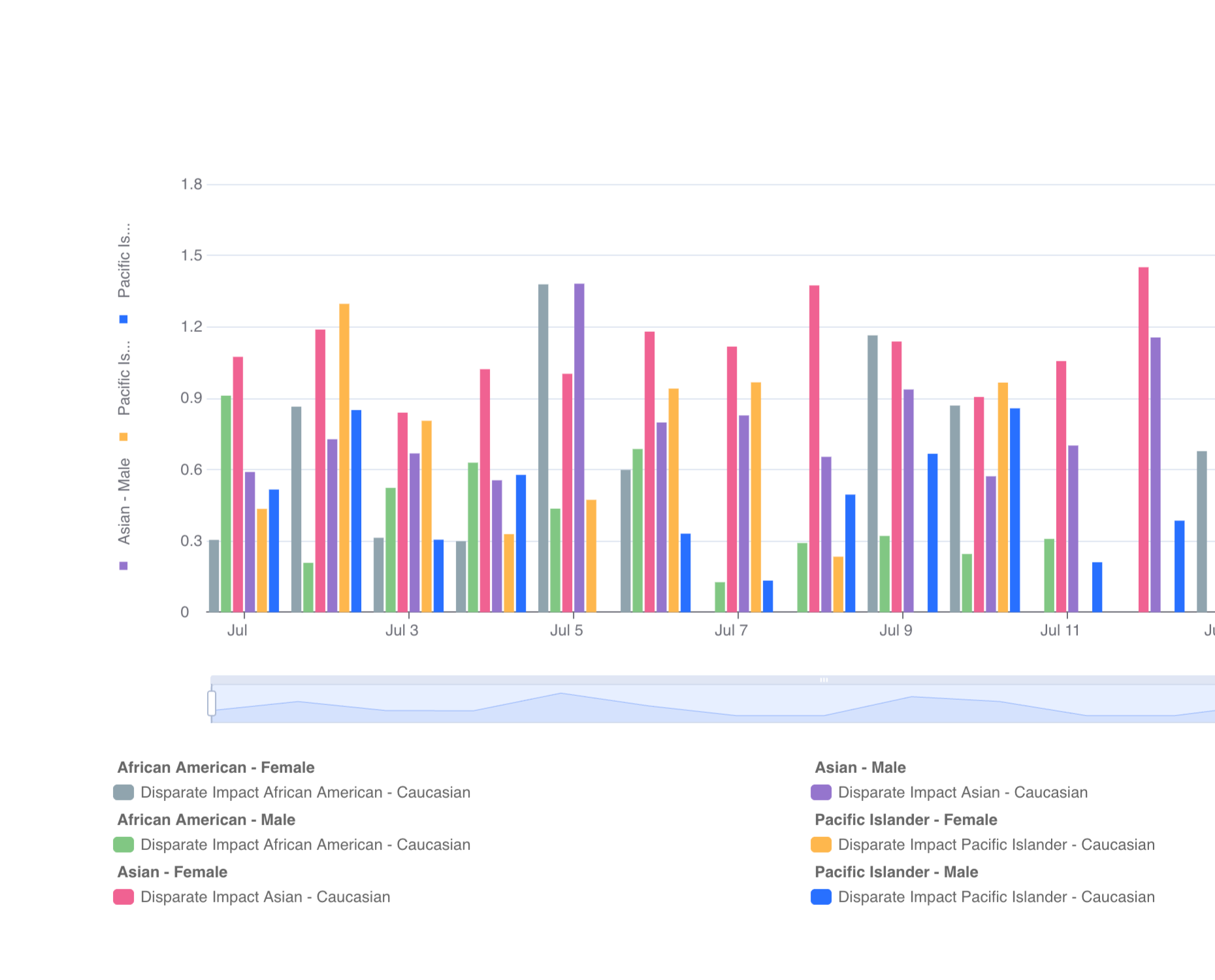
AI bias occurs when a system produces unfair outcomes that favor or disadvantage certain groups. Bias can manifest in many ways, such as incorrectly identifying groups of people, unfairly ranking job applicants, or misinterpreting speech patterns. These unwanted outcomes are often the result of biases entering the system via:
- Programmers: Designers may unintentionally bring their perspectives or assumptions into a system.
- Algorithms: Some algorithms emphasize certain patterns more than others, leading to skewed results.
- Training Data: If the data reflects historical inequalities or unbalanced representation, the system is likely to replicate those patterns.
Since AI is used in decisions that affect education, hiring, health care, and even criminal justice, reducing bias is crucial. Ethical AI teams analyze their systems for unfair patterns and work to diversify training data and review processes to ensure fairness.
AI Modeling Transparency and Explainability
AI works best when people understand how and why it makes the decisions it makes. However, many advanced systems operate like black boxes, producing results without clearly showing the reasoning behind them. If people don't know how a decision was made, they can't challenge it or learn from it. Ethical AI encourages explainability: models that are clear enough for humans to interpret, evaluate, and question. When organizations choose transparent models, they support fairness and help ensure that technology remains accountable.
The Impact of AI on Employment
In certain jobs, AI automation can eliminate repetitive tasks, enabling workers to concentrate on creative or strategic responsibilities. In sectors like manufacturing, transportation, and customer service, AI tools can enhance productivity and safety. But there are also significant concerns surrounding job displacement. As AI systems become more capable, some entry-level or routine jobs may decline. Workers may also need new training or education to adapt to emerging roles in technology, oversight, or AI maintenance.
Ethical approaches to AI emphasize supporting workers through this transition. That includes offering retraining and designing policies that help protect people from sudden job loss. The ultimate goal is to use AI to strengthen a workforce, not replace it without support.
AI Governance
The concept of AI governance refers to the rules, standards, and systems established to regulate the use of AI. Because AI solutions are influencing everything from health care to national security, governments and global organizations are developing guidelines to ensure that this technology benefits society while minimizing harm. Governance helps unify global expectations and encourages companies to adopt safety-first practices. Even when local laws differ, organizations often follow the highest international standards to maintain trust and help them expand into global markets.
The Future of AI Ethics
As AI continues to evolve, answering questions about responsibility, fairness, safety, and transparency will grow even more critical. Future AI systems may be far more advanced than those in use today, raising new concerns about autonomy, influence, and the need for human oversight. Some researchers debate the possibility of highly advanced AI systems that match or exceed human capabilities in certain areas. Whether or not such systems emerge, societies will need strong ethical frameworks to guide their development and prevent misuse. By keeping ethics at the center of innovation, individuals and organizations can build technology that supports well-being, fairness, and long-term trust.
More Resources
- AI Transparency at the U.S. Department of Education
- Ethics of Artificial Intelligence
- Ethical Issues in Artificial Intelligence
- Principles for the Ethical Use of AI
- Exploring Bias in AI
- Guidance on the Responsible Use of Generative AI
- Ethical Considerations of Generative AI
- Principles and Examples of AI Governance
- A Guide to AI Ethics Literacy
- NASA Framework for the Ethical Use of AI